
CFM in HVAC: Understanding Airflow Measurements
CFM (cubic feet per minute) determines how much air your system moves. Understand why this airflow measurement matters for your home's comfort and efficiency.
CFM in HVAC: Understanding Airflow Measurements
When most homeowners in the Phoenix Valley think about their air conditioners, they focus on temperature. Is the thermostat set to 75 degrees? Is the air coming out of the vents cold? While temperature is critical, there is another “invisible” factor that is just as important for your comfort: airflow measurement.
In the HVAC industry, we measure airflow in CFM, or Cubic Feet per Minute. It is a metric that tells us exactly how much air is moving through your system at any given moment. Without the right amount of air volume, even the coldest condenser coil won’t be able to keep your home comfortable during a scorching Arizona summer. Understanding CFM can help you spot potential problems and ensure your system is running at peak system performance.
What Exactly is CFM?
CFM stands for Cubic Feet per Minute. It is a measurement of volume over time. Imagine a cube of air that is one foot tall, one foot wide, and one foot deep. Now, imagine how many of those cubes your air conditioner pushes into your living room every minute. That number is your CFM.
To put it in perspective, a standard residential air conditioning system generally requires about 400 CFM for every “ton” of cooling capacity. So, if you have a 3-ton unit in your home in Mesa or Chandler, your system needs to move approximately 1,200 cubic feet of air every minute to function correctly. If that number drops significantly, the system cannot do its job, no matter how much horsepower the outdoor unit has.
Why CFM Matters for Comfort
Think of your HVAC system like the cardiovascular system of your home. The refrigerant is the blood, the compressor is the heart, and the air is the oxygen being delivered to the body. If the circulation (airflow) is poor, the body (your home) suffers.
Efficient Cooling
In Phoenix, we aren’t just cooling air; we are removing heat. The air from your rooms is pulled into the return vent, passed over the cold evaporator coil, and pushed back out. If the CFM is too low, not enough hot air passes over the coil. This means your house stays hot, and your system runs continuously trying to catch up.
Humidity Control
Airflow also regulates humidity. If air moves too fast (high CFM), it doesn’t stay over the cooling coil long enough to dehumidify. This can leave your home feeling clammy. If it moves too slow (low CFM), the coil gets too cold and can freeze over, stopping the system entirely.
The “Goldilocks” Zone of Airflow
Your HVAC system is designed to operate within a specific range of airflow. Veering too far in either direction causes distinct problems:
- Low CFM (Restricted Airflow): This is the most common issue. It leads to frozen evaporator coils, overheated heat exchangers (in furnaces), and uneven temperatures in different rooms. It puts immense strain on the blower motor, often leading to premature failure.
- High CFM (Excessive Airflow): While less common, this can happen if a system is oversized for the ductwork. It results in noisy vents, poor humidity removal, and drafts that make occupants uncomfortable.
Common Killers of CFM
If your airflow measurement is low, it is usually a symptom of a restriction somewhere in the system. Here are the most common culprits we see in Valley homes:
- Dirty Air Filters: This is the number one cause of low CFM. A clogged filter acts like a wall, stopping air from entering the system. Changing your filter regularly is the easiest way to maintain proper air volume.
- Blocked Vents: Closing too many supply vents in unused rooms increases static pressure and reduces overall system airflow.
- Crushed or Leaky Ducts: Flex ductwork in hot attics can collapse, kink, or tear over time. If the duct is crushed, air can’t get through. If it is torn, you are cooling your attic instead of your living room.
- Dirty Coils: If the evaporator coil inside your unit is caked with dust and grime, air cannot pass through the fins effectively, drastically reducing CFM.
- Failing Blower Motor: If the fan motor is wearing out, it may not spin fast enough to generate the required pressure.
How We Measure and Diagnose Airflow
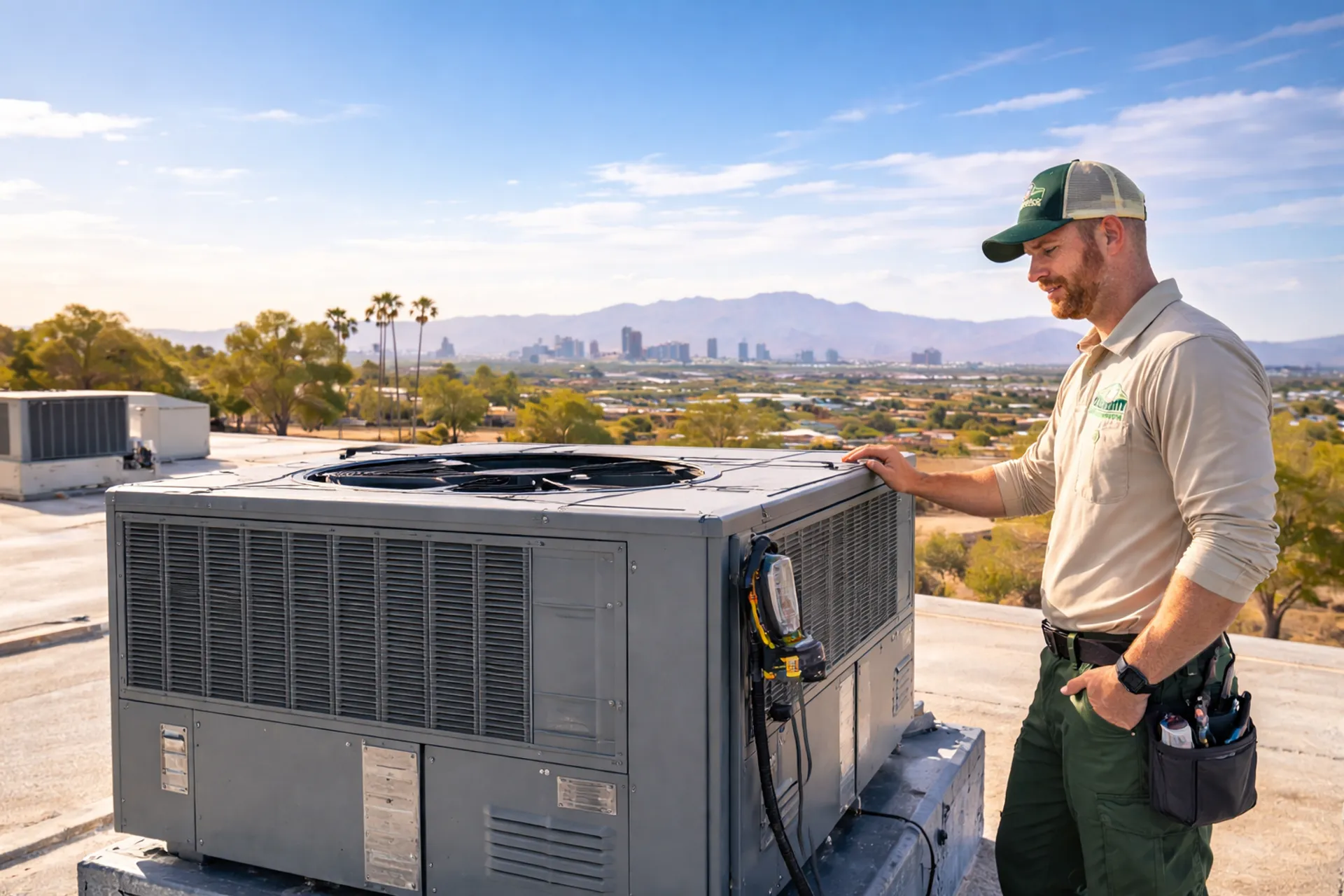
You can’t determine CFM just by holding your hand up to a vent. Precise measurement requires professional diagnostic tools. When Shamrock Heating & Cooling technicians perform an AC repair or diagnostic visit, we look at several factors:
- Static Pressure: We use a manometer to measure the resistance against the blower fan. High static pressure usually indicates a blockage or undersized ductwork.
- Temperature Rise/Drop: Measuring the temperature difference between the supply and return air gives us clues about airflow. If the air coming out is extremely cold (e.g., a 30-degree difference), it often means the air is moving too slowly across the coil.
- Anemometers: These devices measure the velocity of air coming out of specific registers to calculate the CFM for individual rooms.
How Shamrock Can Help
Ensuring your system has the correct CFM is vital for the longevity of your equipment and the comfort of your family. Whether you are in Scottsdale, Gilbert, or Tempe, our team understands the unique demands of desert cooling.
If you have noticed hot spots in your home, weak airflow from vents, or if your system seems to be running longer than usual, it might be an airflow issue. Our technicians can perform a comprehensive AC Tune-up to measure your system’s performance.
We can inspect your ductwork for leaks or restrictions, clean dirty blower wheels and coils, and adjust fan speeds to ensure your system is moving the correct volume of air. Don’t let your system suffocate; let us help it breathe easy so you can stay cool.
Schedule your HVAC service today to keep your system running smoothly year-round.
Need HVAC Help? We’re Here to Help.
Schedule service with Shamrock Heating & Cooling for fast, reliable comfort.
Schedule Service