
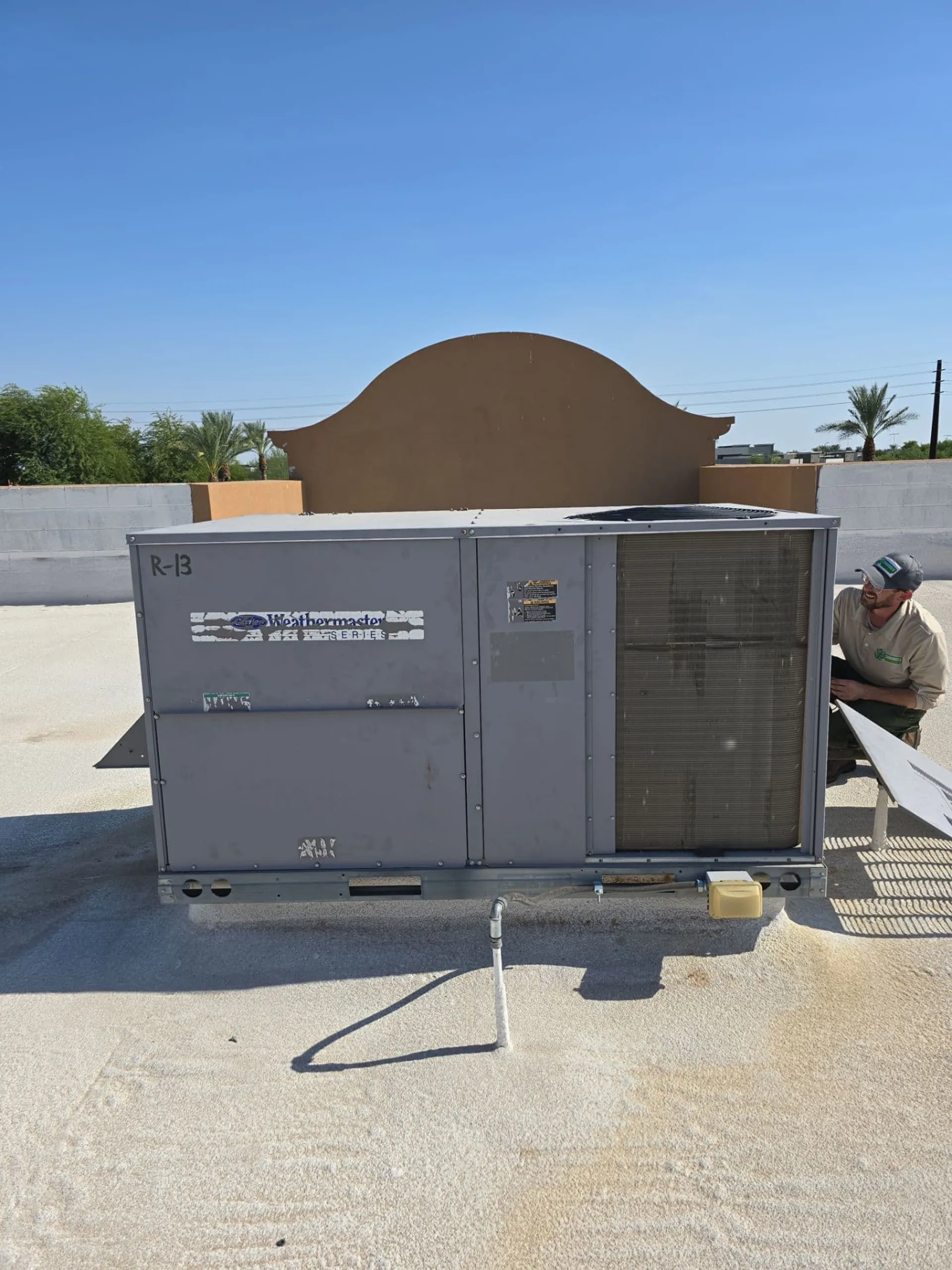
Creating an HVAC Emergency Kit: Be Prepared for System Failures
When your HVAC fails in the Arizona heat, having the right tools and information helps. Learn how to prepare an emergency kit for a quick response.
Creating an HVAC Emergency Kit: Be Prepared for System Failures
In the Phoenix Valley, an air conditioning outage in the middle of summer isn’t just an inconvenience—it can quickly become a safety issue. When outdoor temperatures push past 110 degrees, the temperature inside a home without cooling can rise to dangerous levels in a matter of hours.
While regular maintenance is the best prevention against system failure, mechanical breakdowns can still happen unexpectedly. When they do, panic is often the first reaction. However, having a plan and an HVAC emergency kit ready can turn a potential crisis into a manageable situation. Here is how to prepare your home and your family for an unexpected cooling loss.
Why Preparation Matters in Arizona
Unlike other parts of the country where an AC breakdown just means opening a window, Arizona summers don’t offer that luxury. Emergency preparedness is about buying yourself time and comfort while you wait for a technician to arrive.
A well-stocked kit ensures two things:
- Safety: It keeps your family (and pets) safe from heat exhaustion.
- Speed: It provides the information needed to get your system repaired as fast as possible.
Part 1: The Physical Comfort Kit
Designate a specific closet or bin for these items so you aren’t scrambling to find them when the house is heating up.
Portable Fans
Air movement is crucial for evaporative cooling (sweating). Keep a few high-powered box fans or oscillating fans easily accessible. While they don’t lower the temperature, they make higher temperatures feel more bearable.
Blackout Curtains or Reflective Sheeting
The sun is the enemy during an HVAC emergency. If you don’t already have heavy drapes, keep some temporary blackout shades or even reflective foil in your kit. Taping these up over south- and west-facing windows can drastically slow down the heat gain in your home.
Hydration Supplies
Keep a case of water specifically for emergencies. When the house is hot, your body loses water faster than you realize. Electrolyte packets are also a smart addition to help prevent dehydration.
Cool Compresses
Stock up on instant ice packs or keep a few gel packs in the freezer at all times. Applying these to pulse points (neck, wrists, ankles) is one of the fastest ways to lower body temperature.
Part 2: The Information Kit
The second part of your kit is administrative but equally important. When you call for AC repair, having specific information on hand can help the technician arrive prepared, potentially shortening the repair time.
Create a folder containing:
- System Manuals: or a photo of the manufacturer’s label on your outdoor unit.
- Model and Serial Numbers: This allows the technician to check for warranty parts availability before they even drive to your house.
- Maintenance Records: Knowing when the last filter change or tune-up happened helps with diagnosis.
- Warranty Documents: If your system is under warranty, having this paperwork ready can save you from unexpected costs.
Immediate Steps to Take During a Failure
If your system stops blowing cold air, follow these steps immediately:
- Check the Basics: Is the thermostat screen on? Is the breaker tripped? Is the filter completely clogged?
- Turn the System Off: If the unit is humming but the fan isn’t spinning, or if it is making loud noises, turn it off at the thermostat. Leaving a broken system running can cause secondary damage, turning a minor repair into a major AC replacement.
- Close Up the House: Shut all windows, blinds, and doors to unused rooms to create a “cool zone” in the main living area.
- Limit Heat Sources: Do not use the oven, stove, or dishwasher. Even incandescent light bulbs generate heat, so keep lights off.
When to Call for Professional Help
You should call for service as soon as you verify that the issue isn’t just a tripped breaker or dead thermostat batteries. In the peak of summer, service queues can fill up quickly.
At Shamrock Heating & Cooling, we prioritize HVAC emergency calls because we understand the risks associated with Arizona heat. We serve families across Mesa, Chandler, Scottsdale, and the entire Phoenix area, providing rapid diagnostics to get your cool air flowing again.
Whether you need a quick repair or a temporary solution while waiting for a part, our technicians are trained to handle high-pressure situations with calm expertise. We can also help you review financing options if a major repair is required unexpectedly.
Don’t wait for the heat to hit to start planning. A little preparation today can save you a lot of sweat tomorrow.
Experience the difference of professional HVAC care.
Need HVAC Help? We’re Here to Help.
Schedule service with Shamrock Heating & Cooling for fast, reliable comfort.
Schedule Service