
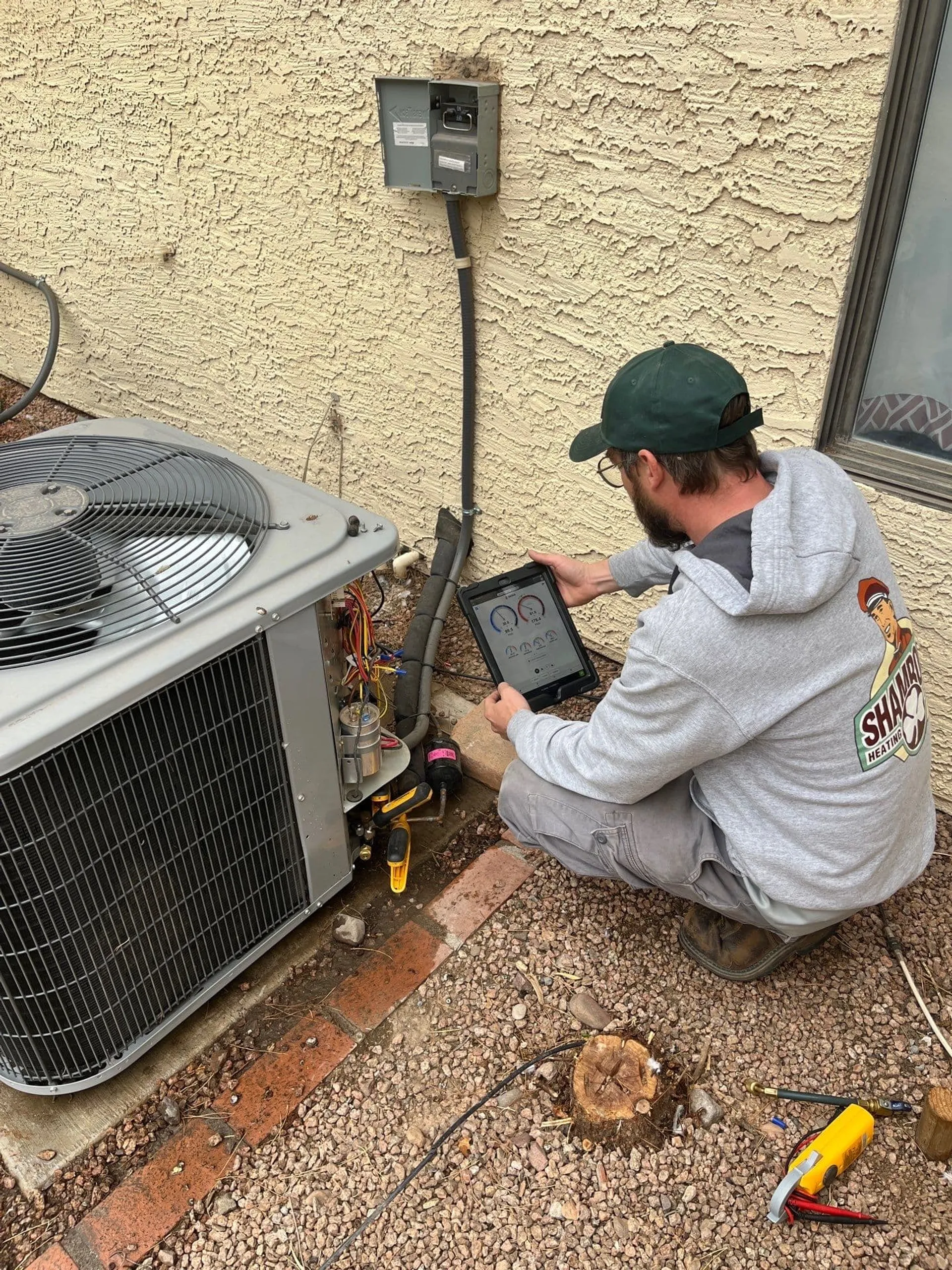
How Long Should Your HVAC System Last? Maximizing Equipment Life
HVAC systems are major investments that should last for years. Discover factors that affect system longevity and how to extend your equipment's life in the Phoenix Valley.
How Long Should Your HVAC System Last? Maximizing Equipment Life
For homeowners in the Phoenix Valley, an air conditioning system is more than just an appliance; it is a lifeline. When you invest in a new cooling and heating unit, you naturally want to know how long that investment will pay off. Understanding your system lifespan is crucial for budgeting and avoiding the stress of an unexpected breakdown in the middle of July.
While manufacturers often provide general estimates, the reality of HVAC longevity in Arizona can differ significantly from national averages. Our extreme heat puts unique demands on machinery. However, with the right equipment care, you can push your system to perform reliably for many years.
Here is a realistic look at how long your HVAC system should last and actionable steps to help you maximize its service life.
The Arizona Factor: Climate vs. Longevity
If you search online for the average lifespan of an air conditioner, you will often see ranges of 15 to 20 years. In temperate climates, this is accurate. However, in cities like Mesa, Chandler, and Scottsdale, our air conditioners run marathon hours.
During our blistering summers, an AC unit might run for 12 to 16 hours a day, every day, for months on end. Because of this heavy workload, the average lifespan of an AC unit in the Phoenix area is typically closer to 10 to 14 years.
Furnaces, on the other hand, have a lighter workload here compared to the Midwest. A well-maintained gas furnace in the Valley can often last 15 to 20 years or more.
Heat Pumps: The Year-Round Runners
Many homes in Gilbert and Tempe utilize heat pumps, which provide both heating and cooling. Unlike a furnace that sits dormant for half the year, a heat pump works year-round. It cools you in August and heats you in January.
Because they see double the duty cycle of a standalone air conditioner, heat pumps may reach the end of their mechanical life slightly faster, often around the 10 to 12-year mark, depending heavily on maintenance habits.
Key Factors That Influence Lifespan
Why does one neighbor’s AC last 15 years while another fails in 8? Several variables play a role in hvac longevity.
1. Installation Quality
The most critical day in your system’s life is the day it is installed. If a unit is improperly sized (too big or too small) or if the ductwork is poorly sealed, the system will strain to cool your home. This constant strain leads to premature component failure. Professional AC installation ensures your unit starts its life correctly.
2. Maintenance History
Think of your HVAC system like a car. If you never changed the oil, you wouldn’t expect the engine to last 200,000 miles. Neglecting annual tune-ups allows small issues—like loose wires or dirty coils—to turn into major failures that shorten the equipment’s life.
3. Usage Habits
Do you keep your thermostat at 68 degrees when it is 115 outside? pushing your system to achieve extreme temperature differentials puts massive stress on the compressor. Modest adjustments to your thermostat settings can reduce wear and tear significantly.
How to Extend Your Equipment’s Life
You can’t change the weather, but you can control how you treat your system. Here are three principles of equipment care to help your unit go the distance.
Change Your Filters Religiously
A clogged air filter is the number one cause of system suffocation. When airflow is restricted, the blower motor works harder, and the coils can freeze. Check your filters monthly and replace them as soon as they look dirty.
Keep the Outdoor Unit Clear
Your outdoor condenser needs to breathe. Keep bushes, trash bins, and debris at least two feet away from the unit. If the metal fins are clogged with dust or cottonwood seeds, gently rinse them with a garden hose (with the power off) or schedule a professional cleaning.
Schedule Seasonal Tune-Ups
Regular maintenance is the silver bullet for longevity. During an AC Tune-up, our technicians tighten electrical connections, lubricate moving parts, and check refrigerant levels. This proactive care prevents the “domino effect” where one failing part takes down the whole system.
Knowing When It Is Time to Replace
Even with the best care, there comes a time when replacement timing makes more financial sense than repair.
- ** The 50% Rule:** If a repair costs 50% or more of the price of a new system, and your current unit is out of warranty, it is usually better to invest that money into a new AC replacement.
- Rising Energy Bills: As compressors wear out, they become less efficient. If your summer electric bills are skyrocketing despite normal usage, your system may be losing its battle against the heat.
- Frequent Breakdowns: If you are calling for repairs multiple times a year, your system is likely reaching the end of its reliable life.
How Shamrock Can Help
At Shamrock Heating & Cooling, we want to help you get every possible year out of your HVAC system. We aren’t just here to sell you a new box; we are here to maintain the comfort of your home.
Whether you need a routine Heating Tune-up to prepare for winter or an honest assessment of your aging air conditioner, our team provides transparent advice. We serve the entire Phoenix metro area, ensuring that homeowners have the information they need to make smart decisions about their home comfort.
Contact us for expert HVAC service you can trust.
Need HVAC Help? We’re Here to Help.
Schedule service with Shamrock Heating & Cooling for fast, reliable comfort.
Schedule Service