
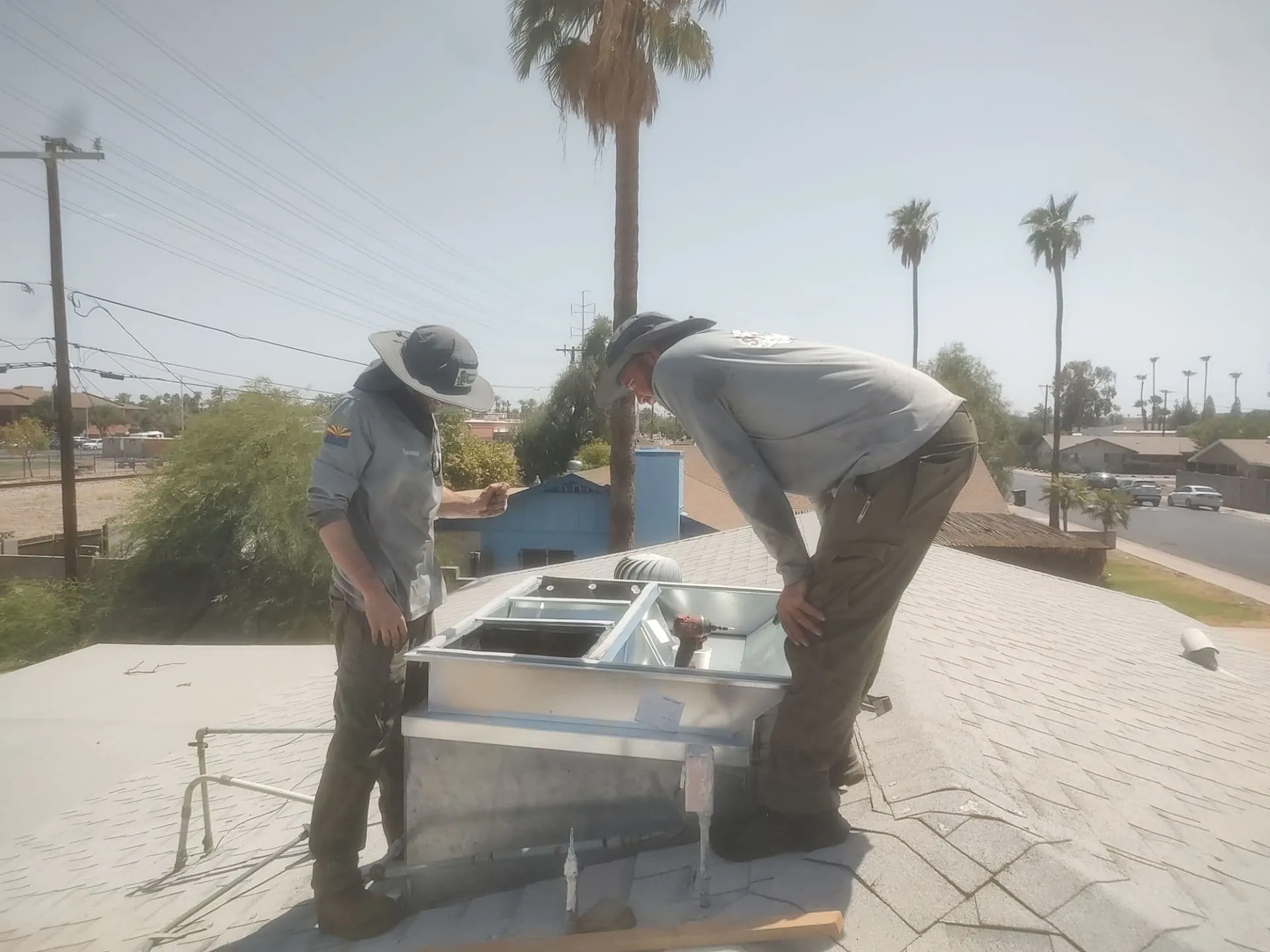
HVAC Solutions for Older Arizona Homes
Historic and older homes present unique HVAC challenges in the Phoenix Valley. Explore options for adding or upgrading climate control in older construction.
HVAC Solutions for Older Arizona Homes
There is a distinct charm to the historic districts of the Phoenix Valley. Whether you live in a 1930s Tudor in the Willo District, a mid-century modern gem in Scottsdale, or a classic ranch in downtown Mesa, older homes offer character that new construction simply cannot replicate. However, owning a piece of history often comes with a specific set of challenges, particularly when the summer temperatures begin to climb.
Many older homes in Arizona were built before modern central air conditioning was standard. They may have relied on evaporative coolers (swamp coolers), open windows, or thick adobe walls to manage the heat. Today, with our urban heat island effect and record-breaking summers, modern cooling is a necessity, not a luxury. But how do you bring 21st-century comfort into a mid-20th-century structure without ruining its aesthetic or breaking the bank?
HVAC retrofit projects for historic properties require a delicate balance of preservation and modernization. Here is what you need to know about upgrading climate control in older construction.
The Unique Challenges of Historic Architecture
Before diving into solutions, it is important to understand why cooling an older home is different from cooling a new build in Gilbert or Chandler.
Lack of Ductwork
The most significant hurdle is often the lack of existing ductwork. Homes built in the 1920s through the 1950s may have floor furnaces for heat but no system for distributing cool air. Retrofitting ductwork can be invasive, requiring you to sacrifice closet space for vertical shafts or lower ceilings to hide horizontal runs.
Insulation and Envelope Issues
New homes are built like sealed envelopes. Older homes, conversely, are often “leaky.” Single-pane steel casement windows, uninsulated brick walls, and minimal attic insulation allow heat to penetrate the home quickly. This means the HVAC system needs to be sized differently to combat the rapid heat gain.
Electrical Limitations
Modern AC installation requires significant electrical power. Many older homes still operate on 60-amp or 100-amp electrical panels, which may not have the capacity to support a central air conditioner alongside modern appliances.
Solution 1: Ductless Mini-Splits
For many owners of historic homes, the Ductless Mini-Split is the ultimate problem solver. As the name suggests, these systems do not require ductwork, making them ideal for homes with flat roofs, adobe construction, or plaster walls you don’t want to cut into.
How It Works
A mini-split consists of an outdoor compressor connected to one or more indoor air-handling units via a small conduit carrying refrigerant and power. These indoor units are mounted high on the wall, near the floor, or even recessed into the ceiling.
Why It fits Older Homes
- Preservation: The installation requires only a three-inch hole through the wall, preserving the structural integrity and architectural details of your historic property.
- Zoning: You can cool the living room during the day and the bedrooms at night, which is efficient for older homes that might not have an “open concept” layout.
- Efficiency: Because there are no ducts, you don’t lose energy via air leaks in the attic or crawlspace.
Solution 2: High-Velocity Systems
If you absolutely must have central air but don’t have the space for traditional large ducts, a high-velocity system might be the answer. These systems use small, flexible tubes (about 2 inches in diameter) that can be snaked through existing wall cavities, between floor joists, or around obstacles without major renovation.
The air is delivered at a higher speed, which creates excellent circulation and mixes the air in the room thoroughly. The vents are small and unobtrusive, blending easily into the decor of a vintage home.
Solution 3: Retrofitting Central Systems
If your home has a crawlspace or a generous attic, it is often possible to install a traditional HVAC system. However, this requires careful planning.
The Importance of Sealing
In older attics, dust and insulation fibers are rampant. If you install ductwork here, it must be meticulously sealed. Any leaks will not only waste energy but also suck attic dust into your living space, degrading your indoor air quality.
Load Calculation is Critical
You cannot simply use a “rule of thumb” for sizing AC in an older home. A Manual J load calculation is essential. This calculation takes into account the lower insulation values, window types, and orientation of the home. An oversized unit will cool the house too fast without removing humidity, leading to a clammy, mold-prone environment. An undersized unit will run continuously and never reach the target temperature.
Don’t Forget the “V” in HVAC
Ventilation is often overlooked in older homes. Because these homes were built to “breathe,” they can be drafty. However, once you seal them up with new windows and weatherstripping to improve efficiency, you trap indoor pollutants.
When upgrading your cooling system, consider adding Indoor Air Quality components. An air scrubber or upgraded filtration system can help manage the dust and allergens that often accumulate in older structures.
Upgrading the Electrical Panel
Before any new cooling equipment is installed, a professional must inspect your electrical panel. If you are still running on an old fuse box or an outdated breaker panel, you will likely need an upgrade to a 200-amp service.
This ensures your new AC unit gets the clean, consistent power it needs without tripping breakers or dimming the lights every time the compressor kicks on. It is a safety upgrade that adds value to the home beyond just the air conditioning.
Replacing the Swamp Cooler
Many Phoenix classics still have a swamp cooler perched on the roof. While these are energy-efficient, they struggle when the monsoon humidity hits in July and August.
If you are transitioning from evaporative cooling to refrigerated air (AC), you have to address the ductwork. Swamp cooler ducts are typically larger and shorter than AC ducts. Reusing them is rarely effective. A professional assessment will determine if the existing metal can be modified or if a complete replacement is necessary to handle the pressurized air of a modern AC system.
How Shamrock Can Help
At Shamrock Heating & Cooling, we have a deep appreciation for the architecture of the Phoenix Valley. We understand that cutting a giant hole in a lath-and-plaster wall isn’t just a repair; it’s a scar on a piece of history.
Our technicians are experienced in the delicate art of HVAC retrofit for older homes. We approach every project with a “do no harm” philosophy.
- Custom Solutions: We don’t force a one-size-fits-all system into a unique home. We design solutions that fit the building’s constraints.
- Respect for Property: We use drop cloths, shoe covers, and extreme care when working in finished spaces.
- Financing Options: We know that retrofitting an older home can be an investment. We offer deals and financing to help make modern comfort accessible.
Whether you need a Heat Pump for a bungalow in Tempe or a complete system overhaul for a ranch in Scottsdale, we have the expertise to get it done right.
Don’t let the fear of renovation keep you sweating through another summer. Reach out to our team for reliable HVAC service.
Need HVAC Help? We’re Here to Help.
Schedule service with Shamrock Heating & Cooling for fast, reliable comfort.
Schedule Service