
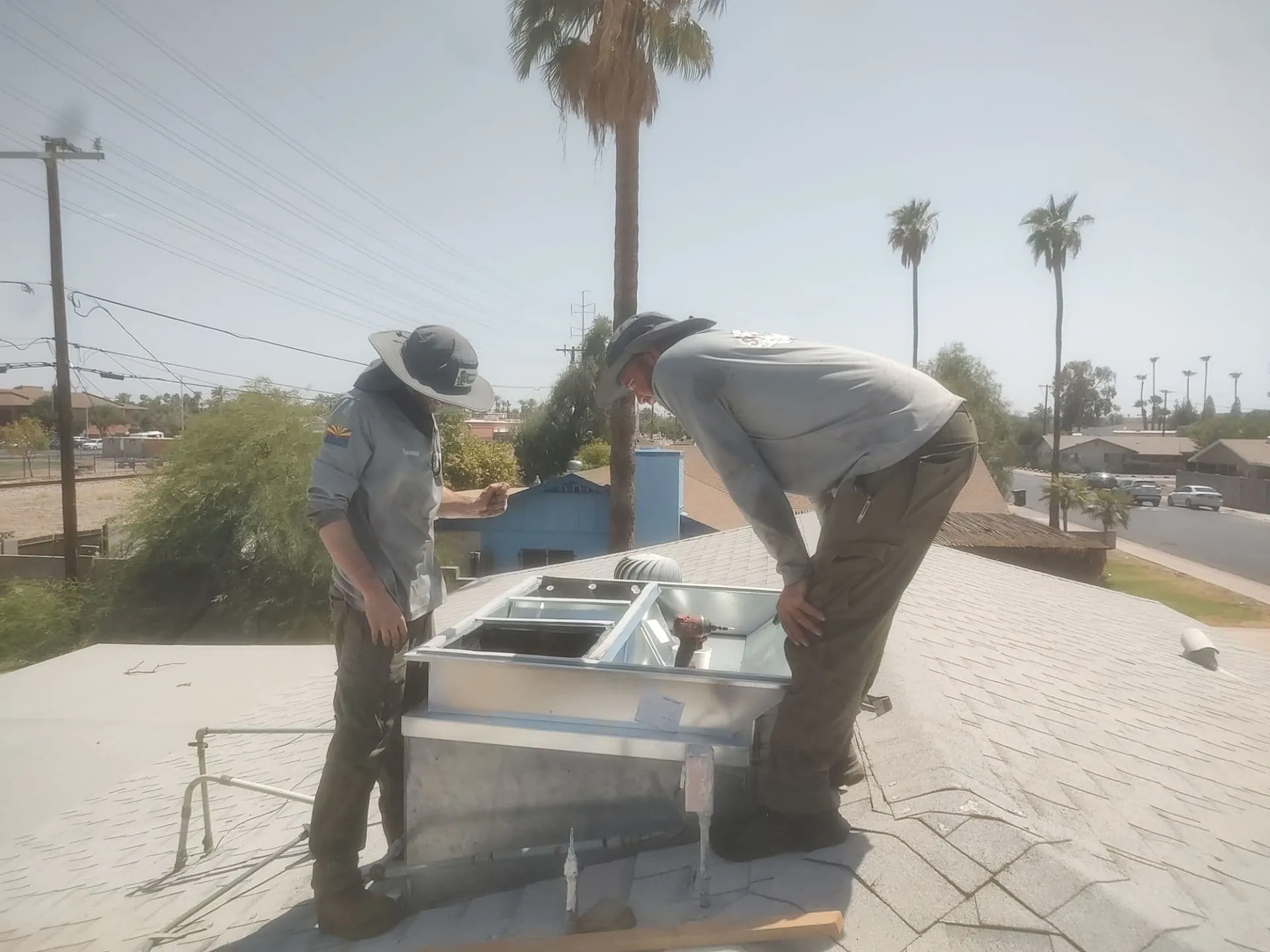
Understanding Your Air Handler: Function, Problems, and Maintenance
The air handler is a critical HVAC component that many homeowners overlook. Learn what it does and how to keep it functioning properly in your Phoenix home.
Understanding Your Air Handler: Function, Problems, and Maintenance
When most homeowners in the Phoenix Valley think about their air conditioning, they picture the large, noisy metal box sitting in the backyard or on the roof. While that outdoor unit (the condenser) is essential, it is only half of the equation. The other half, known as the air handler, is usually tucked away in an attic, a garage, or a utility closet, silently doing the heavy lifting of moving air throughout your home.
This indoor unit is effectively the “lungs” of your HVAC system. If the outdoor unit creates the cooling (or heating), the air handler is responsible for delivering it to your bedroom, kitchen, and living areas. Understanding how this critical HVAC component works can help you identify issues early and keep your home comfortable during our intense Arizona summers.
Here is a breakdown of what your air handler does, the common problems it faces, and how to maintain it.
What Exactly Is an Air Handler?
In a standard split-system HVAC setup (which is most common in neighborhoods like Scottsdale, Gilbert, and Mesa), the system is divided into two parts. The outdoor unit contains the compressor and the condenser coil. The indoor unit is the air handler.
Its primary job is to circulate air. It pulls warm air from inside your home through the return vents, passes it over the cold evaporator coils to remove heat and humidity, and then pushes the conditioned air back out through the supply ducts. Without a functioning air handler, the cold air produced by your AC would never actually reach the rooms of your house.
Key Components Inside the Box
To understand system parts better, it helps to know what is inside that metal cabinet in your attic.
1. The Blower Motor
This is the fan that drives the airflow. It pushes the air through the ductwork. If you have variable-speed technology, this motor can adjust its speed to provide precise temperature control and better humidity removal.
2. The Evaporator Coil
This is where the magic happens. Refrigerant from the outdoor unit flows into these coils. As warm air from your house passes over the cold coils, the heat is absorbed into the refrigerant, leaving the air cool.
3. The Air Filter
Usually located at the intake of the air handler, the filter protects the blower and the coils from dust and debris. In the dusty desert environment, this is your first line of defense.
4. Electronic Controls
These boards act as the brain of the unit, receiving signals from your thermostat and telling the blower when to turn on and off.
Common Air Handler Problems
Because the air handler contains moving parts and deals with temperature extremes, it is susceptible to wear and tear. Here are a few common issues we see in the Valley:
- Clogged Air Filters: If the filter gets too dirty, it strangles the airflow. This forces the blower motor to work harder, leading to overheating and premature failure. It can also cause the evaporator coils to freeze.
- Frozen Coils: If you see ice on your indoor unit, it usually means airflow is restricted (dirty filter) or refrigerant is low. Ice blocks the air passage, rendering the system useless.
- Blower Motor Failure: If you hear squealing or grinding noises coming from the attic, the bearings in the motor may be wearing out. If the motor dies, air circulation stops completely.
- Water Leaks: The cooling process creates condensation (water). This water drips into a pan and drains away. If the drain line gets clogged with algae or dust—a common issue during monsoon season—the pan can overflow, causing water damage to your ceiling.
Maintenance Tips for Homeowners
While some aspects of the air handler require a professional, there are steps you can take to ensure indoor unit longevity.
Change Your Filters Regularly
We cannot stress this enough. Check your filter every month. A clean filter keeps the coils clean and the airflow strong. This simple step prevents the majority of air handler breakdowns.
Check the Condensate Line
Locate the drain line (usually a PVC pipe) near the unit. Occasionally pouring a cup of distilled white vinegar down the line can help kill algae and prevent clogs.
Listen to Your System
You know the normal hum of your home. If your AC starts making loud bangs, rattles, or whirs when it kicks on, do not ignore it. These are often signs that a component inside the air handler is loose or failing.
How Shamrock Can Help
The air handler is often “out of sight, out of mind” until it breaks on a 110-degree day. At Shamrock Heating & Cooling, we include a thorough inspection of the air handler in every AC Tune-up and Heating Tune-up.
Our technicians check the amp draw of the blower motor, clean the evaporator coils, clear the drain lines, and tighten all electrical connections. Whether you are in Chandler or Tempe, regular professional maintenance is the best way to ensure your air handler keeps pumping cool, clean air for years to come.
If you suspect your system is struggling to move air, or if you notice water spots on your ceiling, don’t wait.
Let us help you maintain a comfortable home environment.
Need HVAC Help? We’re Here to Help.
Schedule service with Shamrock Heating & Cooling for fast, reliable comfort.
Schedule Service