
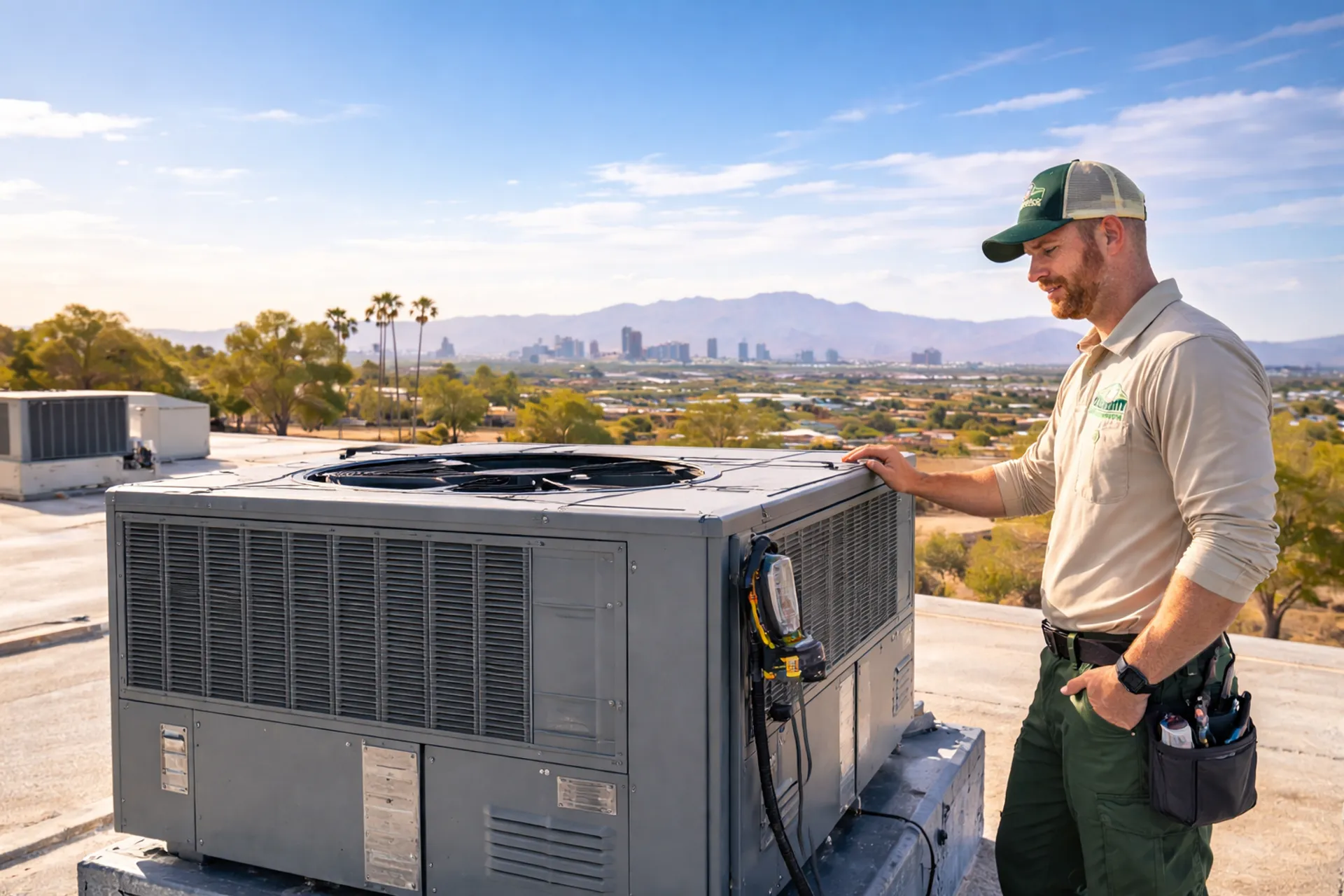
Whole-Home Humidifiers: Adding Moisture to Desert Air
Even in Arizona, winter air can be too dry. Discover the benefits of integrated HVAC humidification for health and home comfort.
Whole-Home Humidifiers: Adding Moisture to Desert Air
Living in the Phoenix Valley, we spend most of our year trying to escape the heat. It might seem counterintuitive to talk about adding humidity when we are famous for our “dry heat.” However, during our cooler winter months, the air inside our homes can become aggressively dry, creating a different kind of discomfort.
When the temperature drops in Scottsdale or Chandler and homeowners turn on their furnaces, the already low humidity levels can plummet to single digits. This lack of moisture affects everything from your health to your wooden furniture. Installing a whole-home humidifier is an effective way to maintain moisture control and improve indoor environmental quality.
The Problem with Extremely Dry Air
While we don’t have the muggy humidity of the East Coast, going to the opposite extreme is equally problematic. Arizona’s ambient humidity is naturally low, often hovering around 10-20%. When you run a heating system, it warms the air but doesn’t add moisture, effectively lowering the relative humidity even further.
Chronically dry air acts like a sponge, pulling moisture out of everything it touches.
- For your body: This leads to dry, itchy skin, chapped lips, bloody noses, and irritated sinuses. It can also aggravate asthma and allergy symptoms.
- For your home: It pulls moisture from wood floors, cabinets, and furniture, causing them to crack, split, or warp.
- Static Electricity: If you can’t walk across the carpet without shocking the cat or the doorknob, your home is too dry.
How Whole-Home Humidifiers Work
Unlike small, portable units that you have to constantly refill at the sink and only treat one room, a whole-home humidifier is integrated directly into your central HVAC system.
These units are installed on the ductwork next to your furnace or air handler. They are connected to your home’s water supply, so they never need refilling. When your HVAC system runs, the humidifier introduces water vapor into the airflow, which is then distributed through every vent in your house.
There are different types of humidifiers available:
- Bypass Humidifiers: Use the pressure difference between the supply and return ducts to force air through a water-soaked pad.
- Fan-Powered Humidifiers: Use their own internal fan to push air through the water panel, offering higher output.
- Steam Humidifiers: Boil water to create steam, which is injected into the ductwork. These offer the most precise humidity addition control.
The Benefits of Balanced Humidity
Maintaining indoor humidity levels between 30% and 50% offers surprising benefits beyond just stopping static shock.
1. Improved Health and Wellness
Viruses, including the flu, thrive in dry environments. Proper humidity levels can reduce the survival rate of these viruses on surfaces and in the air. Furthermore, keeping your mucous membranes moist helps your body’s natural defenses fight off respiratory infections.
2. Enhanced Comfort and Energy Savings
Moist air holds heat better than dry air. In the winter, a home at 68°F with 40% humidity feels just as warm as a dry home at 72°F. This allows you to lower your thermostat setting without sacrificing comfort, potentially lowering your heating bills.
3. Protecting Your Investment
Your home is likely your biggest investment. Hardwood flooring, crown molding, and wooden instruments (like pianos or acoustic guitars) require stable humidity. Moisture control prevents these expensive materials from shrinking and cracking during the dry Arizona winters.
Controlling the Moisture
One common concern homeowners in Mesa and Gilbert have is the risk of too much humidity, which can lead to mold. Modern whole-home systems eliminate this worry.
They are controlled by a device called a humidistat (similar to a thermostat) or integrated into your smart thermostat. You set the desired percentage, and the system automatically cycles on and off to maintain that exact level. If the air reaches the target humidity, the device shuts off, preventing over-humidification.
Common Mistakes to Avoid
- Ignoring Maintenance: Humidifiers have a water panel or “wick” that collects mineral deposits from our hard water. If this isn’t changed annually, it can clog, reducing performance or causing leaks.
- Leaving it On in Summer: While most modern systems are smart enough to stay off, you generally don’t want to add humidity when your AC is trying to remove it during the monsoon season.
- Oversizing or Undersizing: Just like an AC unit, the humidifier must be sized correctly for the square footage of your home to be effective.
How Shamrock Can Help
At Shamrock Heating & Cooling, we understand the unique climate challenges of the Phoenix Valley. We don’t just focus on temperature; we look at the complete picture of your indoor air quality.
Our services include:
- Installation: We can install high-quality humidifiers compatible with your existing furnace or heat pump system.
- Maintenance: During your regular Heating Tune-up, we inspect the humidifier, replace the water panel, and ensure the drain line is clear.
- Advice: We help you choose the right type of system—whether bypass or steam—based on your home’s construction and your family’s needs.
If you are tired of waking up with a dry throat or seeing gaps form in your wood flooring, it might be time to address your home’s humidity levels. Check out our deals and financing for options to make this upgrade affordable.
Don’t let the desert air dry out your home and health.
Get a free estimate on HVAC services from our experienced team.
Need HVAC Help? We’re Here to Help.
Schedule service with Shamrock Heating & Cooling for fast, reliable comfort.
Schedule Service