
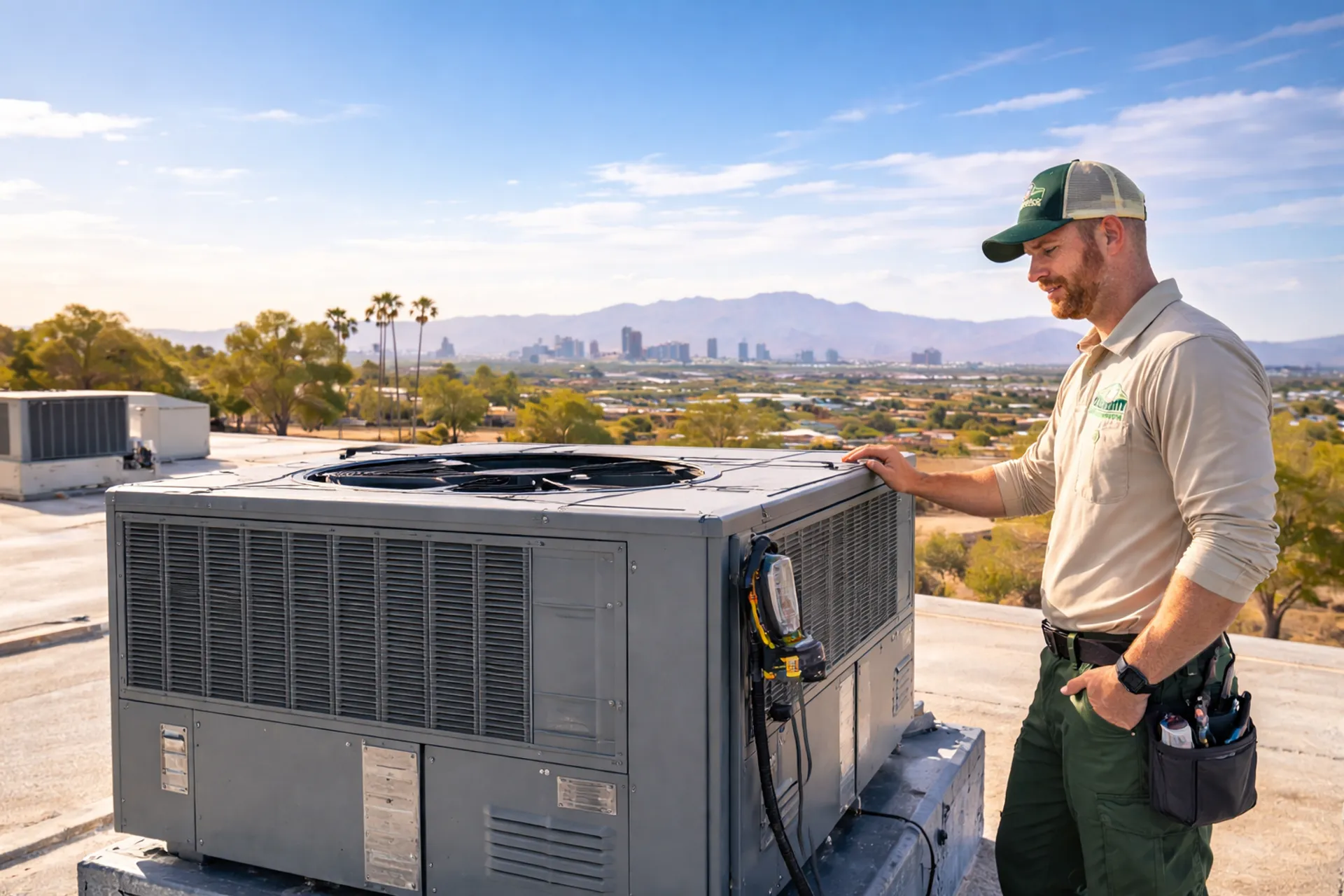
Why Is My HVAC System Leaking Water? Common Causes Explained
Water pooling around your HVAC unit can cause damage if not addressed quickly. Understand the reasons for water leaks and how to fix them in the Phoenix Valley.
Why Is My HVAC System Leaking Water? Common Causes Explained
Walking into your utility room or glancing up at your ceiling only to see a spreading water stain is a homeowner’s nightmare. In the heat of the Phoenix Valley, we rely on our air conditioning systems to keep us cool, but we often forget that they also play a major role in humidity control. When you spot water leaks around your unit, it is a clear signal that something within that moisture removal process has gone wrong.
While a small amount of condensation is normal for an operating AC unit, water pooling on the floor, dripping from a vent, or soaking through drywall is not. These HVAC leaks can lead to significant structural damage and mold growth if not addressed immediately. Understanding the root causes of these leaks is the first step in water damage prevention and restoring your home’s comfort.
From clogged drains to frozen coils, several issues can cause your system to leak. Here is a comprehensive guide to why your HVAC system might be leaking water and how the experts at Shamrock Heating & Cooling can help you fix it.
How Your AC Handles Water
To understand why a leak happens, it helps to understand how your air conditioner produces water in the first place. Your AC works by pulling warm air from your home and passing it over cold evaporator coils. This process doesn’t just cool the air; it also dehumidifies it.
Even here in the desert, there is moisture in the air—especially during our monsoon season or inside homes with cooking and showering activities. When that warm air hits the cold coils, the moisture condenses into liquid water, much like a cold soda can sweating on a hot day.
In a properly functioning system, this condensate drips into a drain pan and is whisked away through a condensate drain line to the outdoors. A leak occurs when this drainage path is blocked, broken, or overwhelmed.
The Most Common Culprit: Clogged Condensate Drain lines
By far the most frequent cause of water leaks in Phoenix area homes is a clogged condensate drain line. Over time, the moisture in your drain line creates the perfect environment for algae, mold, and mildew to grow.
Why It Happens
As dust and dirt from the air mix with this biological growth, it forms a thick sludge. Eventually, this sludge blocks the PVC pipe that carries the water away. Since the water has nowhere to go, it backs up into the drain pan. Once the pan is full, it overflows.
The Consequences
If your unit is located in an attic (common in Mesa and Gilbert), an overflowing pan can lead to water dripping through your ceiling, ruining insulation and drywall. Many modern systems have a safety float switch that shuts the AC off when water backs up, but if this switch fails or isn’t installed, the water keeps coming.
The Solution
Regular maintenance is key here. During an AC Tune-up, technicians will clear and flush the drain line to ensure it is free of obstructions.
Cracked or Rusted Drain Pan
Underneath your evaporator coil sits the drain pan. Its job is to catch the condensation dripping off the coils.
- Older Units: In older systems, these pans were often made of metal. Over years of exposure to water, they can rust through, creating holes that allow water to drip directly onto the floor or platform.
- Newer Units: Modern pans are typically made of durable plastic or composite materials. However, over time—and with the extreme heat fluctuations in Arizona attics—these pans can become brittle and crack.
If the pan itself is compromised, clearing the drain line won’t stop the leak. The entire pan usually needs to be replaced, which can be a complex job depending on the placement of your indoor unit.
Frozen Evaporator Coils
Another major cause of water leaks is a frozen evaporator coil. You might think ice is impossible in the middle of a Scottsdale summer, but it is actually a common sign of airflow or refrigerant issues.
The Cycle of Freezing and Melting
If your air filter is dirty and restricting airflow, the coil gets too cold because the warm air isn’t passing over it fast enough. The condensation freezes into layers of ice. Eventually, the system will shut off or struggle so much that the ice begins to melt.
When a large block of ice melts rapidly, it produces more water than the drain pan and line can handle at once. The result is an overflow that looks like a sudden, massive leak.
Low Refrigerant
A refrigerant leak can also cause the coils to freeze. When the refrigerant level is low, the pressure drop causes the coil temperature to plummet below freezing. If you suspect this, you need professional AC repair to locate the leak and recharge the system.
Condensate Pump Failure
Some HVAC systems, particularly those in basements or homes where gravity drainage isn’t possible, rely on a condensate pump to push the water outside.
These pumps are mechanical devices with motors and floats. Like any mechanical part, they can fail. If the pump stops working or the float gets stuck, the water reservoir will fill up and spill over.
If you hear a buzzing noise coming from the pump or notice water pooling specifically around this device, it likely needs to be replaced.
Improper Installation
If your HVAC system was recently installed or if your home’s foundation has shifted, the unit might not be level.
For the condensate to drain properly, the unit and the drain pan need to be slightly pitched toward the drain outlet. If the unit is tilting the wrong way, water will pool in the back of the pan until it overflows, completely bypassing the drain line.
This is why professional AC installation is so critical. Our technicians ensure that every unit is leveled precisely to facilitate proper drainage and prevent future headaches.
Disconnected Drain Line
In some cases, the issue is simply physical damage. If someone was working in your attic—perhaps installing cable or insulation—they might have accidentally kicked or bumped the drain line.
If the PVC pipe loosens or disconnects from the unit, the water will pour directly into your attic space or utility closet. Regular visual inspections of your unit can help catch these simple but damaging issues early.
Why You Shouldn’t Ignore a Leak
It might be tempting to just put a bucket under the drip and deal with it later, especially if the AC is still cooling. However, water is destructive.
- Structural Damage: Water rots wood, ruins drywall, and destroys insulation. The cost to repair the water damage often far exceeds the cost of fixing the AC.
- Mold Growth: In our hot climate, a wet attic or closet is a breeding ground for mold. This can severely impact your Indoor Air Quality and trigger allergies.
- Electrical Hazards: Water and electricity do not mix. If water drips onto the circuit board or wiring of your furnace or air handler, it can short out expensive components or create a fire risk.
How to Prevent Leaks
Prevention is always cheaper than repair. Here are a few ways to keep your floors dry:
- Change Air Filters: Keep airflow strong to prevent coils from freezing.
- Install Safety Switches: Ask us about installing a ceiling saver switch or a float switch. These devices detect high water levels and turn the system off before it overflows.
- Seasonal Maintenance: The best way to prevent leaks is to have a professional check your system every spring and fall. We clean the drains, check the pans, and ensure everything is flowing as it should.
Trust Shamrock to Keep You Dry
At Shamrock Heating & Cooling, we have seen every type of leak imaginable in homes from Chandler to Tempe. We understand that a leak is stressful, and we prioritize quick, effective repairs to minimize damage to your home.
Whether you need a simple drain cleaning or a complex coil repair, our team approaches every job with the expertise and care you deserve. We treat your home like our own, ensuring that when we leave, your system is cooling efficiently and draining properly.
Don’t let a small drip turn into a disaster. Reach out to our team for reliable HVAC service.
Need HVAC Help? We’re Here to Help.
Schedule service with Shamrock Heating & Cooling for fast, reliable comfort.
Schedule Service