
Winter Heating Guide: Keeping Your Home Warm Efficiently
Even in Arizona, winter nights can be chilly. Discover how to keep your home comfortable while managing heating costs during cooler months in the Phoenix Valley.
Winter Heating Guide: Keeping Your Home Warm Efficiently
Outsiders often joke that Arizona doesn’t experience “real” winter. While we certainly don’t have to shovel snow in Tempe or Mesa, locals know that the desert climate shifts dramatically once the sun goes down. January nights can easily drop into the 30s, and if your home isn’t prepared, that chill will seep right through the walls.
Staying warm during our cooler months shouldn’t cost a fortune. Many homeowners are surprised to see their electric or gas bills spike in the winter, sometimes even higher than in the summer. This usually points to inefficiencies in furnace operation or heat pump usage. By implementing a few strategic seasonal tips, you can maintain a cozy environment without breaking the bank.
The Unique Challenge of Arizona Winters
Homes in the Phoenix Valley are primarily built to keep heat out, not keep it in. We have great insulation against the sun, but our windows and doors often leak heat rapidly when the outside temperature drops.
Because our winter season is relatively short, many residents neglect their heating systems for ten months of the year. Then, on the first freezing night, they crank up the thermostat, putting immense strain on a system that hasn’t run since last February. This “cold start” is when most breakdowns occur.
Optimize Your Thermostat Strategy
One of the easiest ways to improve heating efficiency is to adjust how you use your thermostat.
- Avoid Drastic Swings: It might seem logical to turn the heat off completely when you leave for work, but reheating a cold house takes a lot of energy. Instead, lower the setting by 5–8 degrees when you are away.
- The Heat Pump Factor: If you have a heat pump (common in Chandler and Gilbert), be careful about raising the temperature too quickly. If you bump the thermostat up by more than 2-3 degrees at a time, the system may trigger “auxiliary” or “emergency” heat strips. These are essentially giant space heaters inside your unit that use massive amounts of electricity.
- Smart Thermostats: Consider installing a programmable or smart thermostat that learns your schedule and adjusts automatically.
Managing the “Burning Dust” Smell
Every year, our phones light up on the first cold night of the season with panicked homeowners smelling smoke.
When your furnace or heat pump sits idle all summer, dust settles on the heating elements or the heat exchanger. When you turn the heat on for the first time, that dust burns off.
- What to Expect: A slight burning odor that dissipates within 30 to 60 minutes is usually normal. open a few windows to air it out.
- When to Worry: If the smell persists for hours, or if you smell rotten eggs (natural gas) or burning plastic (electrical wiring), turn the system off immediately and call for Heating repair.
Seal the Gaps
Your heater works hard to warm the air; don’t let that expensive air escape. Since our homes settle over time, gaps can form around doors and windows.
- Window Drafts: Check the caulking around your window frames. If it is cracked or peeling, replace it.
- Door Sweeps: If you can see daylight under your exterior doors, you are losing heat. Install a new door sweep or weatherstripping.
- Lock Your Windows: It sounds simple, but locking your windows pulls the sashes tighter together, creating a better seal against the cold night air.
Safety First: Carbon Monoxide Awareness
For homes in Scottsdale and Phoenix with gas furnaces, safety is the top priority during winter heating. A cracked heat exchanger can leak carbon monoxide (CO), a colorless and odorless gas, into your living space.
Because you cannot see or smell CO, you must rely on detectors.
- Test your carbon monoxide detectors monthly.
- Replace the batteries annually.
- Replace the entire unit every 5–7 years (check the manufacturing date on the back).
The Importance of Professional Tune-Ups
While DIY tips help, the most effective way to ensure safety and efficiency is a professional Heating Tune-up.
A professional inspection includes:
- Safety Checks: We inspect the heat exchanger for cracks and test ignition systems to ensure safe operation.
- Cleaning: We clean the burners and blower motor to ensure smooth airflow.
- Calibration: We check the thermostat calibration and gas pressure to ensure the system isn’t under-firing or over-firing.
An efficient system runs less often and provides more consistent warmth. Plus, regular maintenance keeps your manufacturer warranty valid. Check our deals and financing page for seasonal specials on tune-ups.
How Shamrock Can Help
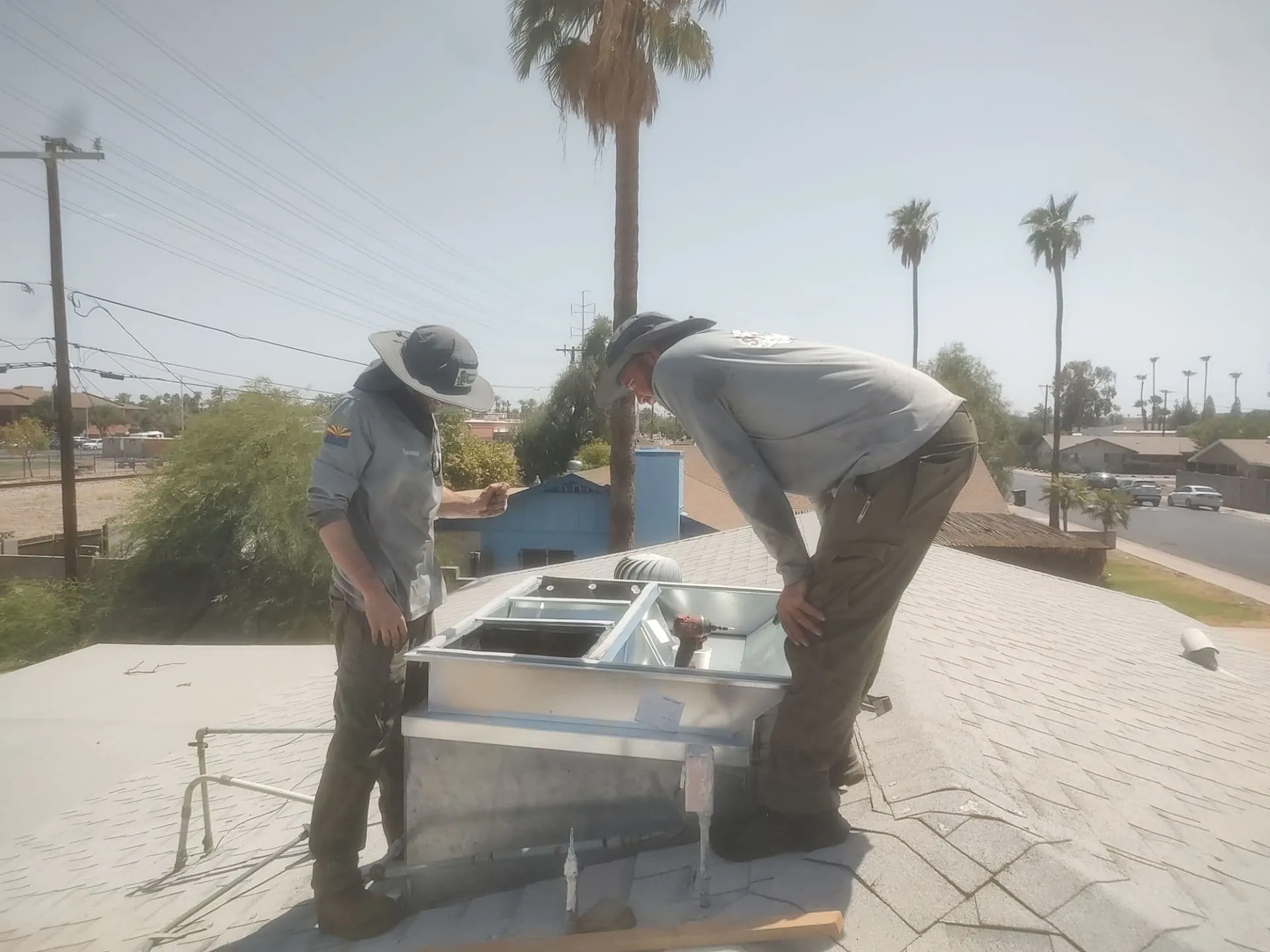
At Shamrock Heating & Cooling, we understand the specific needs of Arizona homes. whether you have a rooftop heat pump or a split-system gas furnace, our technicians have the expertise to keep it running safely.
Don’t wait until you are shivering in your living room to think about your heater. A little preparation goes a long way toward a comfortable winter season.
Call us for professional HVAC solutions tailored to your home.
Need HVAC Help? We’re Here to Help.
Schedule service with Shamrock Heating & Cooling for fast, reliable comfort.
Schedule Service