
Emergency HVAC Repair Services in Phoenix
Phoenix’s extreme desert climate creates situations where HVAC system failures require immediate professional attention. When temperatures exceed 115°F during summer months or drop unexpectedly during winter, non-functioning climate control systems create uncomfortable and potentially dangerous home environments.
Emergency HVAC situations demand rapid professional response from technicians equipped to diagnose and repair systems under time pressure. Phoenix’s position as the hottest major city in the United States makes functional air conditioning essential for safety and comfort during summer months.
Understanding HVAC Emergencies
Complete system failures during extreme weather constitute genuine emergencies. Phoenix summer temperatures regularly exceed 115°F, creating indoor conditions that become dangerous within hours when air conditioning fails. Vulnerable family members including children, elderly residents, and those with medical conditions face particular risks.
Heating system failures during winter months, while less immediately critical than summer cooling losses, still require prompt attention. Phoenix winter nights can drop to freezing, making functional heating systems important for comfort and pipe freeze prevention.
Common Emergency Scenarios
Compressor failures represent serious emergency situations as these critical components enable refrigeration cycles. When compressors fail, cooling systems cannot function. Phoenix’s extreme heat stresses compressors through sustained operation at maximum capacity during summer months.
Electrical component failures including capacitors and contactors prevent systems from starting or cause erratic operation. These parts fail frequently in desert climates due to extreme heat exposure, leaving homes without climate control until professional repairs restore functionality.
Refrigerant leaks cause gradual performance decline initially but can progress to complete system shutdown. Large leaks occurring suddenly eliminate cooling capacity within hours. Professional leak detection, repair, and system recharging restore proper operation.
Blower motor failures prevent air circulation throughout homes even when other system components function properly. Without airflow, conditioned air cannot reach living spaces, leaving homes uncomfortable despite technically operational cooling equipment.
Phoenix’s Geographic Context
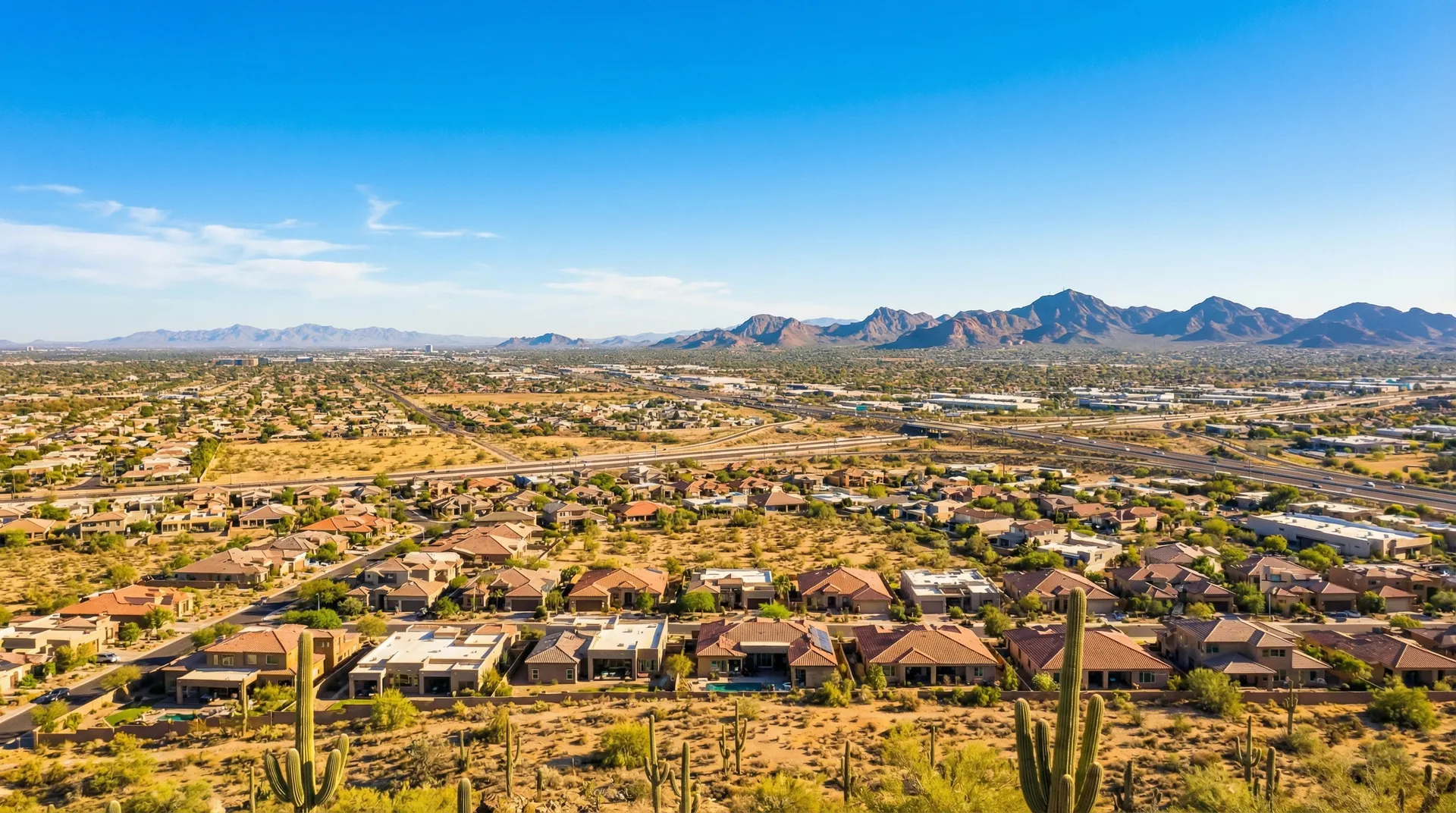
Phoenix’s position in the Salt River Valley creates urban heat island effects that intensify already extreme desert temperatures. The city’s extensive development and minimal vegetation contribute to heat retention, particularly affecting overnight cooling.
Phoenix’s size and geographic spread create varying service response times based on specific neighborhood locations. Areas in central Phoenix, North Phoenix, South Phoenix, and West Phoenix each present unique routing considerations for emergency service providers.
Valley-Wide Temperature Variations
Phoenix proper experiences temperatures several degrees warmer than surrounding communities due to urban heat island effects and lower elevation. This temperature differential increases HVAC system stress and failure likelihood compared to outlying areas.
Summer monsoon storms introduce humidity spikes and dust storms that can affect HVAC system operation. Dust infiltration clogs filters and coats outdoor condenser coils, reducing efficiency and potentially causing failures.
Service Response Considerations
Emergency HVAC service operates continuously, recognizing that system failures occur without regard to business hours, weekends, or holidays. Climate control needs persist regardless of calendar dates, particularly during Phoenix’s extended summer season.
Professional emergency service involves systematic diagnosis even under time pressure. Accurate problem identification ensures repairs address actual failures rather than symptoms, preventing recurring issues after emergency service calls.
Phoenix’s Diverse Housing Stock
Phoenix’s development over more than a century created diverse housing stock from historic neighborhoods to modern master-planned communities. This variety means HVAC systems range from decades-old equipment to recently installed high-efficiency models.
Arcadia, Ahwatukee, Desert Ridge, and other major neighborhoods feature concentrated residential areas with varying home ages and construction characteristics. These patterns create predictable HVAC service needs based on equipment ages and operating conditions.
Prevention and Awareness
While emergency services provide critical support during failures, awareness of warning signs allows homeowners to seek service before complete breakdowns occur. Declining performance, unusual noises, irregular cycling, and unexplained energy consumption increases often signal developing problems.
Regular professional maintenance identifies potential failure points during inspection procedures, allowing proactive component replacement before emergency situations develop. However, even well-maintained systems experience unexpected failures requiring emergency repair services.
Service Coverage Areas
Emergency HVAC repair services extend throughout Phoenix including Central Phoenix, North Phoenix, South Phoenix, West Phoenix, Arcadia, Ahwatukee, Desert Ridge, Encanto, Maryvale, Paradise Valley Village, and all surrounding neighborhoods within city limits.
Emergency HVAC repair services ensure Phoenix residents maintain safe, comfortable home environments when heating and cooling systems fail unexpectedly, providing essential support throughout Arizona’s most extreme urban desert climate.