
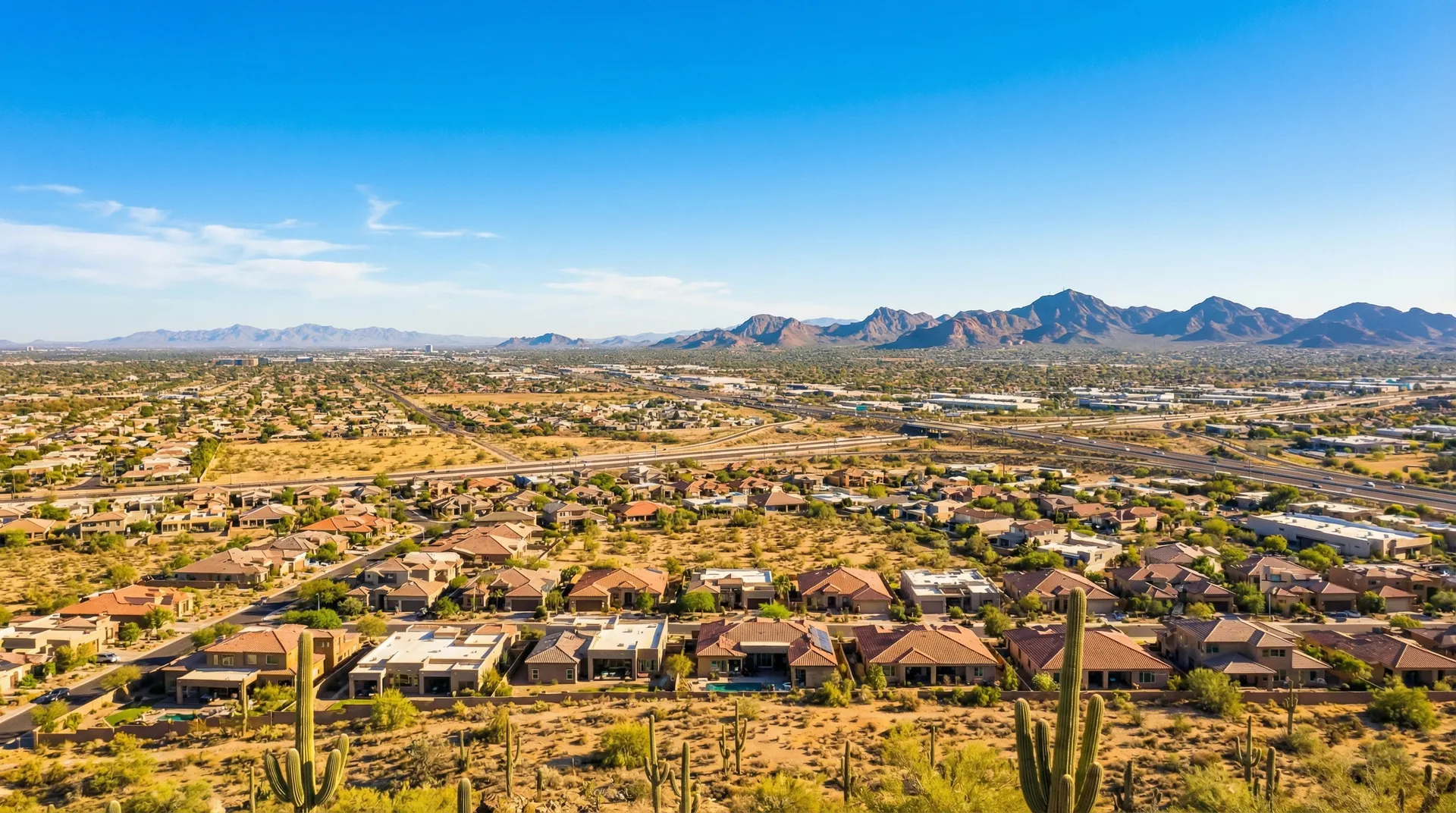
Professional HVAC Repair in Phoenix
When HVAC systems fail in Phoenix, professional repair services restore home comfort and system functionality under the most demanding residential climate conditions in the United States. Effective HVAC repair requires accurate problem diagnosis, appropriate solutions, and quality workmanship addressing root causes.
Phoenix’s extreme desert climate creates operating conditions that stress residential heating and cooling equipment beyond what any other major U.S. city experiences. Systems work under sustained high temperatures that accelerate component wear and increase failure rates, making skilled HVAC repair services essential.
Understanding System Failures
HVAC systems comprise multiple subsystems and components, each susceptible to specific failure modes. Electrical systems including capacitors, contactors, and control boards fail as extreme heat degrades materials and connection integrity faster than moderate climates.
Mechanical components like compressors, blower motors, and fan motors wear through sustained operation under maximum load conditions. Refrigerant systems develop leaks in coils, line sets, and connections, with Phoenix’s heat accelerating leak development and stressing systems through high-pressure operation.
Control systems including thermostats and safety switches malfunction due to calibration drift, sensor failures, or electronic component degradation. Understanding these failure modes allows systematic diagnosis rather than random part replacement.
Common Phoenix Repairs
Certain HVAC repairs occur more frequently in Phoenix due to extreme local operating conditions. Capacitor replacements represent exceptionally common service needs as sustained temperatures above 110°F accelerate electrical component degradation faster than any other major U.S. climate.
Compressor failures occur at higher rates in Phoenix due to extended operation at design capacity limits during summer months. These critical components represent major system investments, with replacement costs often prompting homeowners to consider complete system replacement.
Refrigerant leak repairs vary in complexity from simple connection tightening to coil replacement. Phoenix’s sustained high temperatures stress refrigerant systems through continuous high-pressure operation, accelerating leak development at connection points and within coils.
Blower motor replacements address wear accumulated through Phoenix’s extended cooling season. These motors operate 8-9 months annually under load, accumulating operating hours equivalent to multiple years in moderate climates.
Thermostat repairs range from battery replacement and calibration to complete unit replacement when electronic components fail under sustained heat exposure. Modern smart thermostats introduce additional complexity requiring specialized knowledge.
Diagnostic Approaches
Effective HVAC repair begins with accurate diagnosis. Professional technicians use systematic troubleshooting methods evaluating symptoms, testing components, and verifying operation across all system modes.
Diagnostic equipment including multimeters, refrigerant gauges, temperature sensors, and amp meters provides objective measurements revealing system conditions. These tools allow verification of proper operation or identification of out-of-specification conditions requiring correction.
Experience with Phoenix’s common HVAC systems and recurring problems helps technicians recognize typical failure patterns. Familiarity with equipment from major manufacturers facilitates accurate diagnosis across different brands.
Repair Quality
Repair quality depends on proper diagnosis, appropriate parts selection, correct installation procedures, and verification testing. Using quality replacement components ensures repairs provide reliable long-term performance under Phoenix’s demanding conditions.
Proper installation procedures following manufacturer specifications prevent premature failures and ensure repaired systems operate safely and efficiently. Post-repair testing verifies systems operate properly across all modes before technicians complete service.
Age Considerations
Phoenix’s diverse development timeline means neighborhoods contain HVAC systems of widely varying ages. Historic districts may have systems 20-30+ years old while newer developments feature recent installations.
When major component failures occur in older systems, homeowners face decisions between expensive repairs and complete system replacement. Professional assessments of overall system condition help evaluate these options, particularly important given Phoenix’s extreme conditions that accelerate aging.
Systems showing multiple age-related issues often benefit from replacement rather than continued repairs. Modern high-efficiency systems offer substantial energy savings over older equipment, particularly valuable given Phoenix’s long cooling season and high energy costs.
Urban Heat Island Considerations
Phoenix’s urban heat island creates temperature conditions several degrees warmer than surrounding desert areas, particularly during overnight hours. This sustained heat increases HVAC system stress beyond what regional temperature statistics suggest.
Systems in central Phoenix experience more demanding conditions than those in outlying areas, affecting repair frequency and component longevity. Service providers familiar with these patterns recognize neighborhood-specific issues.
Service Coverage
HVAC repair services extend throughout Phoenix including Central Phoenix, North Phoenix, South Phoenix, West Phoenix, Arcadia, Ahwatukee, Desert Ridge, Encanto, Maryvale, Paradise Valley Village, and all surrounding communities.
Familiarity with Phoenix’s diverse neighborhoods, typical home designs, common HVAC installations, and recurring issues specific to various areas enhances repair efficiency.
Professional HVAC repair services help Phoenix homeowners maintain comfortable indoor environments when heating and cooling systems fail, ensuring appropriate solutions for climate control needs in the nation’s most challenging major urban climate.