
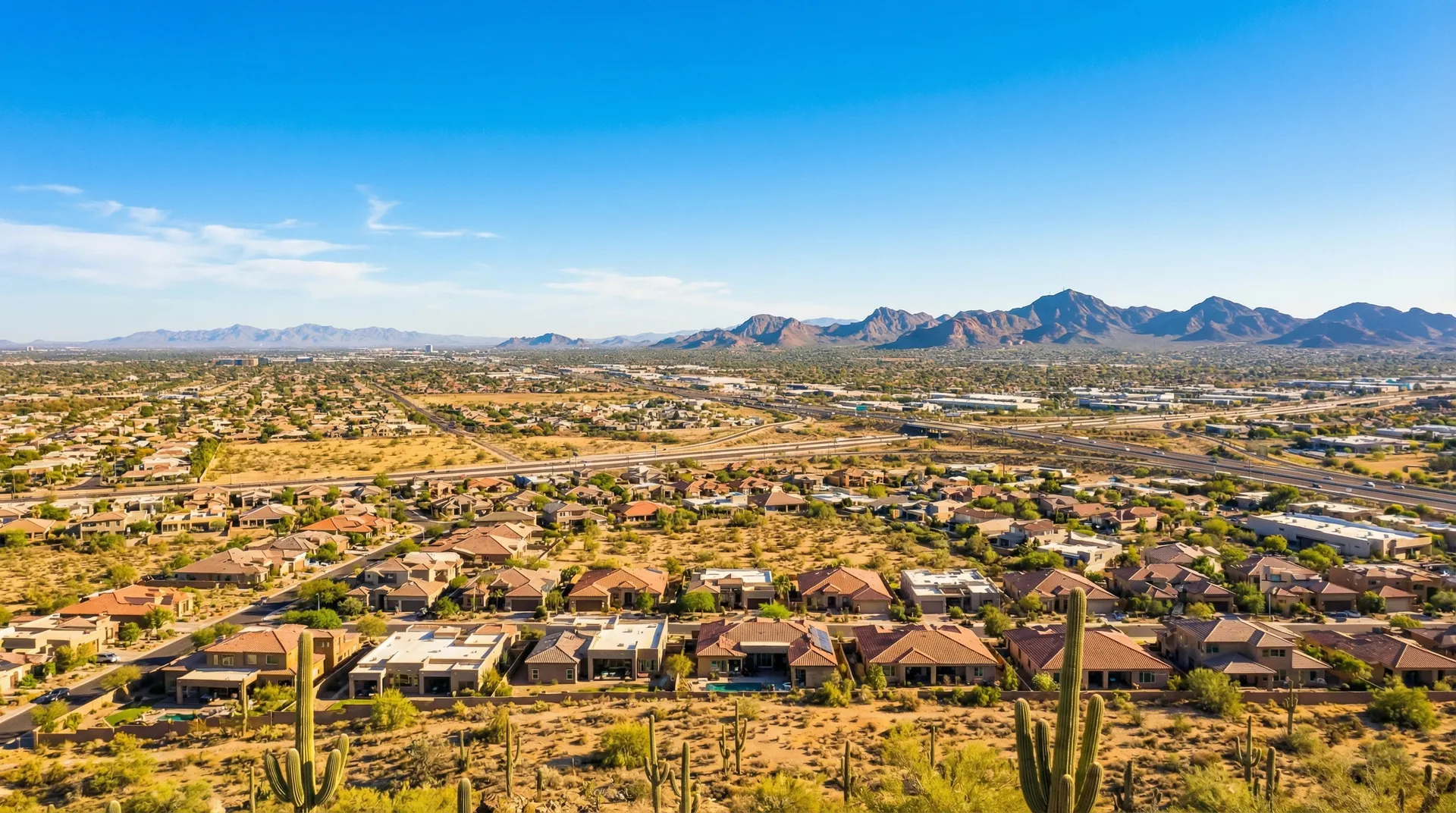
Emergency HVAC Repair Services in Tempe
Tempe’s desert climate creates situations where HVAC system failures require immediate professional attention. When temperatures exceed 110°F during summer months or systems fail in homes, apartments, and rental properties, non-functioning climate control demands urgent professional response.
Emergency HVAC situations require rapid service from technicians equipped to diagnose and repair systems under time pressure. Tempe’s diverse housing stock including single-family homes, apartments, townhomes, and ASU student housing creates varied emergency service requirements.
Understanding HVAC Emergencies
Complete system failures during extreme weather constitute genuine emergencies. Tempe summer temperatures regularly exceed 110°F, creating indoor conditions that become uncomfortable and potentially dangerous within hours when air conditioning fails.
Heating system failures during winter months, while less immediately critical, still require prompt attention. Tempe winter nights can drop below freezing, making functional heating systems important for comfort and preventing pipe freeze damage.
Common Emergency Scenarios
Compressor failures represent serious emergency situations as these critical components enable refrigeration cycles. When compressors fail, cooling systems cannot function. Tempe’s extreme heat stresses compressors through sustained operation at design capacity during summer months.
Electrical component failures including capacitors and contactors prevent systems from starting or cause erratic operation. These parts fail frequently in desert climates due to extreme heat exposure, leaving properties without climate control until professional repairs restore functionality.
Refrigerant leaks cause gradual performance decline initially but can progress to complete system shutdown. Large leaks occurring suddenly eliminate cooling capacity within hours. Professional leak detection, repair, and system recharging restore proper operation.
Blower motor failures prevent air circulation throughout properties even when other system components function properly. Without airflow, conditioned air cannot reach living spaces, leaving properties uncomfortable despite technically operational cooling equipment.
Tempe’s Geographic Context
Tempe’s position in the central Valley near Phoenix creates urban heat island effects intensifying already extreme desert temperatures. ASU’s campus and surrounding dense development contribute to heat retention, particularly affecting overnight cooling.
Tempe’s compact size compared to Phoenix means service response times remain relatively consistent throughout most areas. Neighborhoods near ASU, South Tempe, and Downtown Tempe present efficient routing for emergency service providers.
Housing Diversity Considerations
Tempe’s housing stock includes single-family homes, extensive apartment complexes, townhomes, and student-focused housing near ASU. This diversity creates varied emergency service requirements from individual homeowner systems to multi-unit property systems.
Rental properties common in Tempe require coordination between tenants, property management, and service providers during emergency situations. Student housing near ASU experiences high turnover and varied system usage patterns affecting service needs.
Service Response Considerations
Emergency HVAC service operates continuously, recognizing that system failures occur without regard to business hours, weekends, or holidays. Tempe’s year-round population including summer session students creates consistent emergency service demand.
Professional emergency service involves systematic diagnosis even under time pressure. Accurate problem identification ensures repairs address actual failures rather than symptoms, preventing recurring issues after emergency service calls.
Tempe’s Neighborhoods
Tempe’s neighborhoods range from established areas with older homes to newer developments. Downtown Tempe, areas near ASU, South Tempe, and Optimist Park represent distinct areas with varying housing types and HVAC system characteristics.
Apartment complexes concentrated near ASU and along major corridors create unique service considerations requiring coordination with property management and understanding of multi-unit system configurations.
Rental Property Considerations
Emergency HVAC service in Tempe’s numerous rental properties requires clear communication between tenants, property managers or landlords, and service providers regarding authorization and payment arrangements.
Student renters near ASU may lack experience recognizing HVAC problems or understanding emergency versus non-emergency situations. Clear communication helps ensure appropriate service responses.
Prevention and Awareness
While emergency services provide critical support during failures, awareness of warning signs allows property occupants to seek service before complete breakdowns occur. Declining performance, unusual noises, irregular cycling, and system errors often signal developing problems.
Regular professional maintenance identifies potential failure points during inspection procedures, allowing proactive component replacement before emergency situations develop. However, even well-maintained systems experience unexpected failures requiring emergency repair services.
Service Coverage Areas
Emergency HVAC repair services extend throughout Tempe including areas near ASU, Downtown Tempe, South Tempe, Optimist Park, Warner Ranch, Continental East & West, Jen Tilly Terrace, and all surrounding neighborhoods.
Emergency HVAC repair services ensure Tempe residents maintain safe, comfortable indoor environments when heating and cooling systems fail unexpectedly, providing essential support throughout the community’s diverse residential and student housing properties.